Understanding Housing Options for Caregivers
Choosing the right housing option for a loved one is a critical decision for caregivers. This section provides insights into various living arrangements, including assisted living facilities, nursing homes, and in-home care services, helping caregivers evaluate what best suits their loved one's needs.
Each housing option comes with its own set of advantages and considerations. For instance, assisted living facilities often offer a balance of independence and support, while nursing homes provide 24/7 medical care. Caregivers should consider factors such as cost, location, and available amenities to make an informed choice.
Exploring Financial Assistance for Caregiving
Financial concerns can be a significant burden for caregivers. This section outlines various financial assistance programs available to help cover the costs of caregiving, including government aid, grants, and insurance options that can alleviate some of the financial pressure.
Programs like Medicaid and the Veterans Administration provide resources specifically for caregivers, while private insurance may cover certain aspects of care. Understanding these options can empower caregivers to seek the support they need, ensuring they can provide the best care without facing financial hardship.
Legal Considerations for Caregivers
Legal matters are an essential aspect of caregiving that must not be overlooked. This section addresses important legal considerations, such as power of attorney, guardianship, and healthcare proxies, which can help caregivers make decisions on behalf of their loved ones.
Establishing a power of attorney can ensure that caregivers have the authority to make financial and medical decisions when necessary. Additionally, understanding the legal rights of caregivers and their loved ones can help navigate complex situations, providing peace of mind during challenging times.
Utilizing the Caregiver Toolkit Effectively
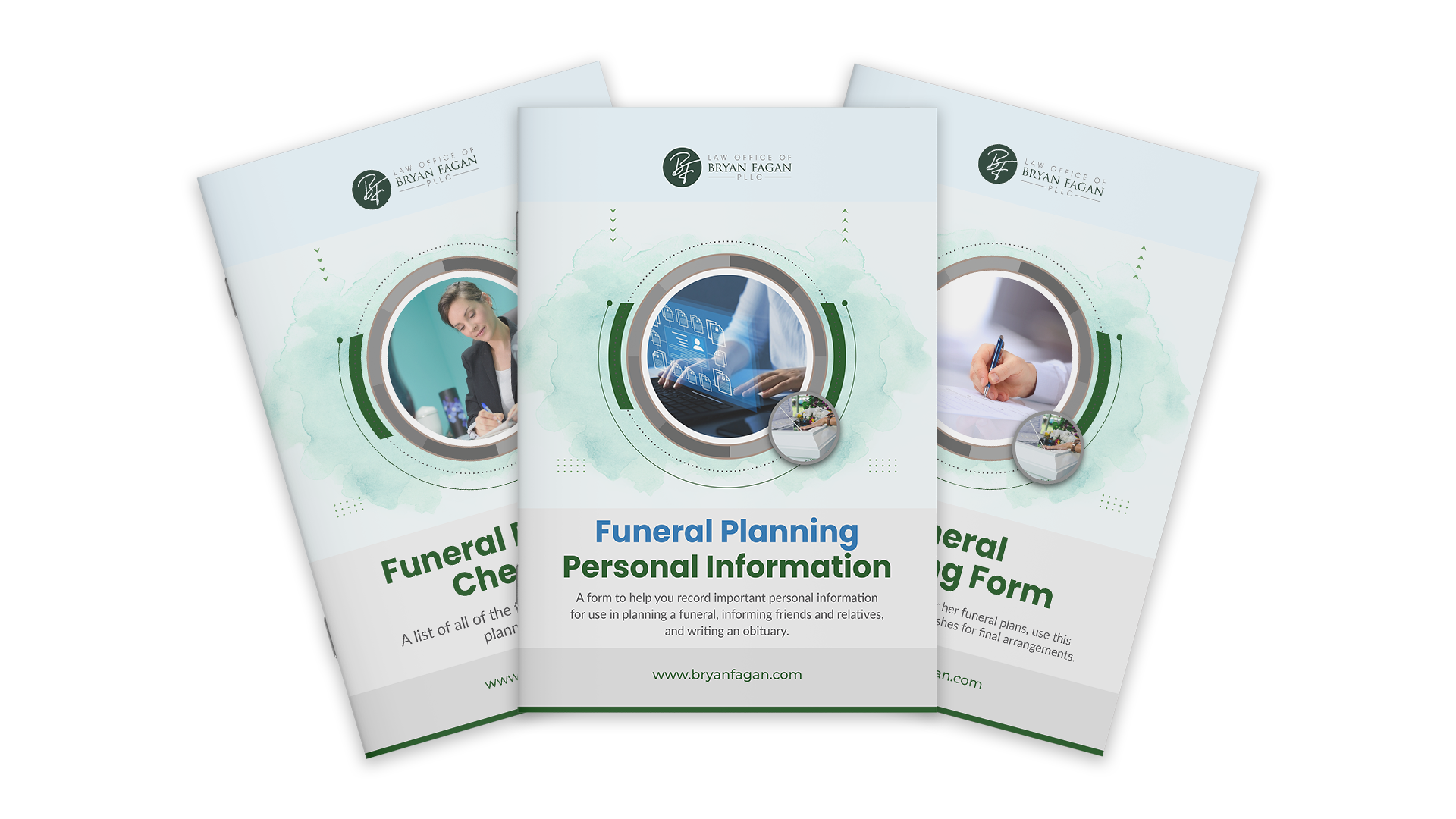
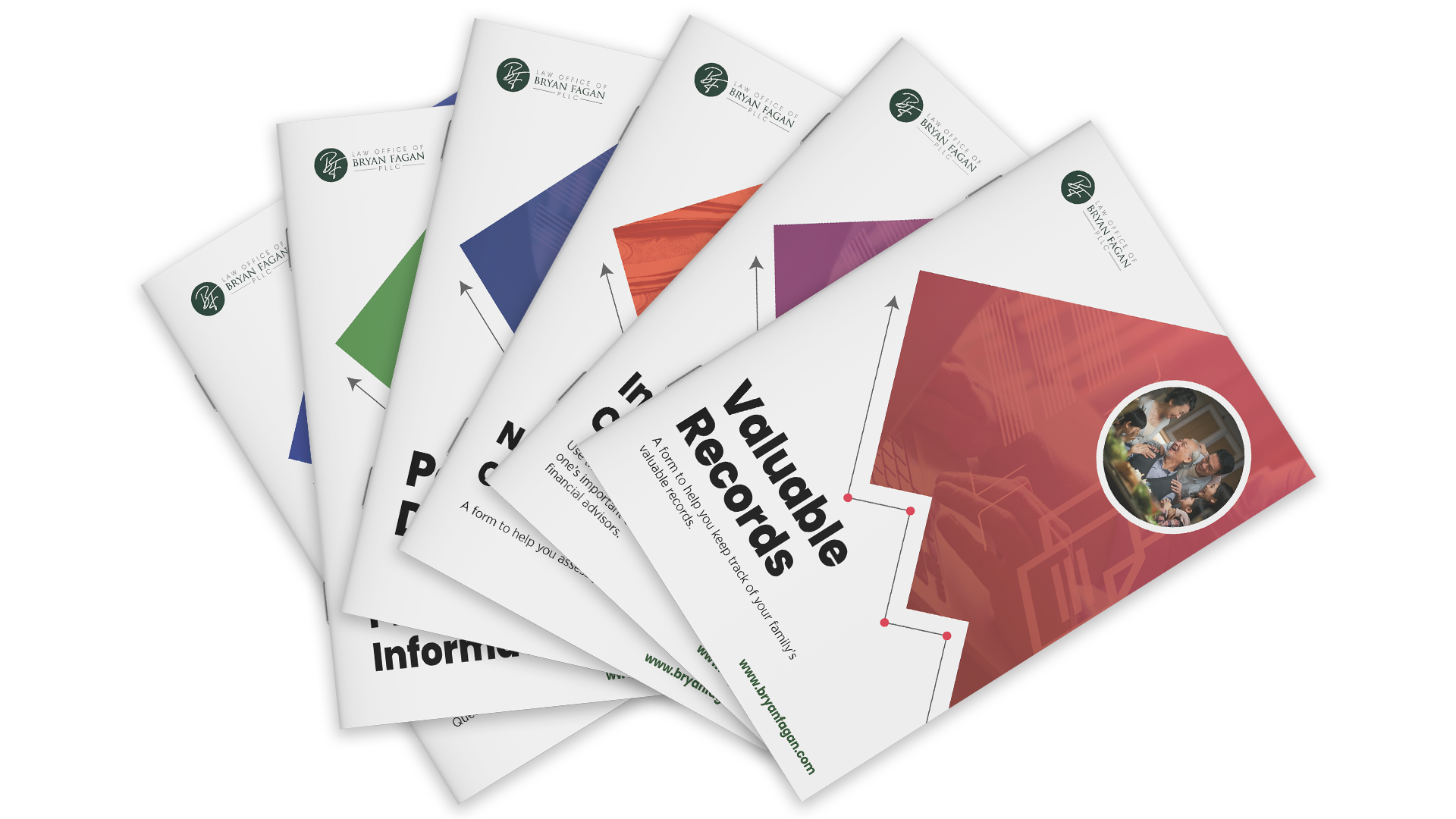
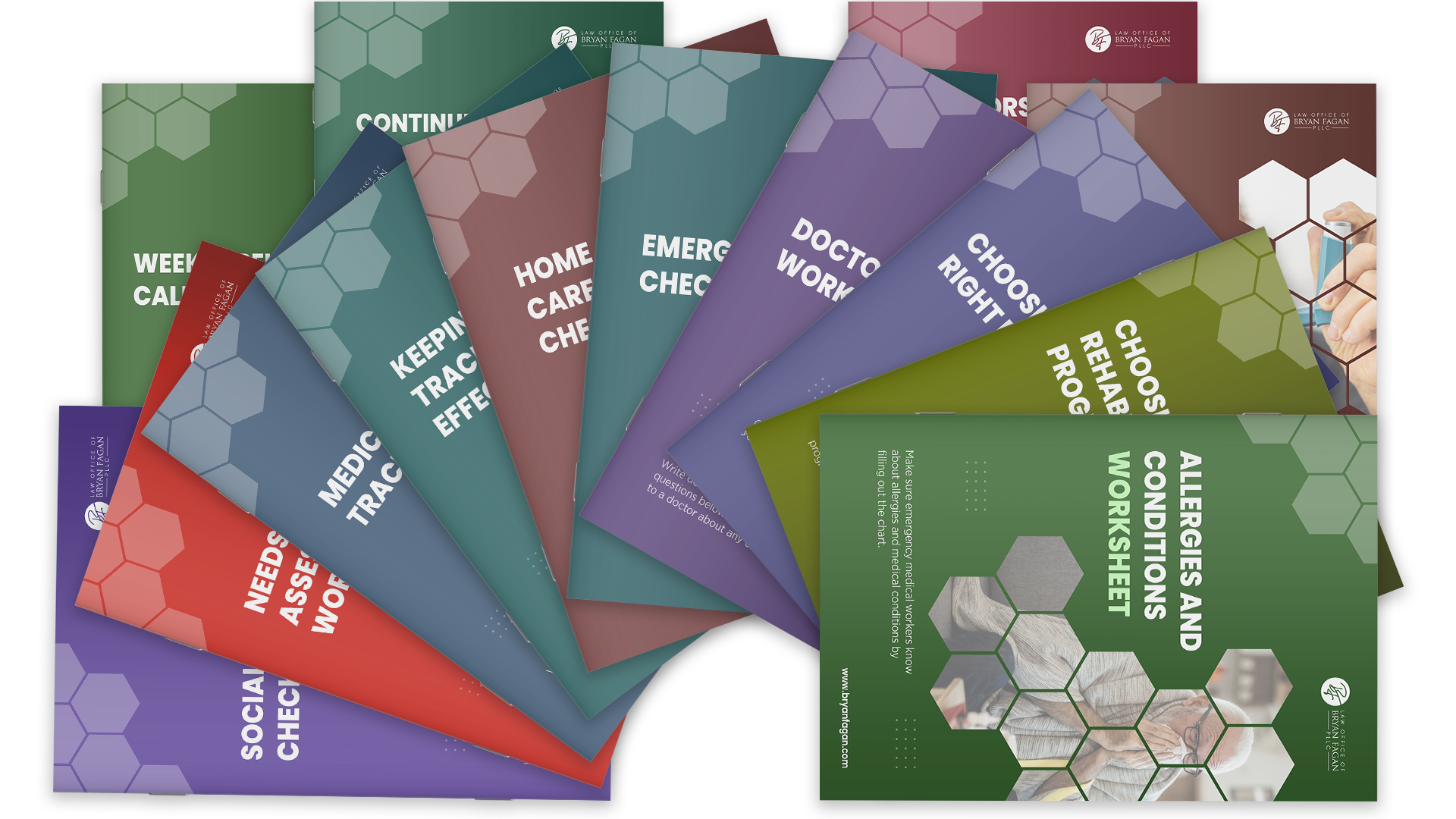
The Caregiver Toolkit is designed to streamline the caregiving process, offering essential worksheets and resources. This section highlights how to effectively utilize the toolkit to maximize its benefits, ensuring caregivers can easily access the information they need.
By following the structured worksheets included in the toolkit, caregivers can organize their tasks, track important information, and make informed decisions regarding their loved one's care. The toolkit serves as a comprehensive guide, simplifying the caregiving journey and empowering caregivers with the knowledge they need.
Understanding Housing Options for Caregivers
Choosing the right housing option for a loved one is a critical decision for caregivers. This section provides insights into various living arrangements, including assisted living facilities, nursing homes, and in-home care services, helping caregivers evaluate what best suits their loved one's needs.
Each housing option comes with its own set of advantages and considerations. For instance, assisted living facilities often offer a balance of independence and support, while nursing homes provide 24/7 medical care. Caregivers should consider factors such as cost, location, and available amenities to make an informed choice.
Exploring Financial Assistance for Caregiving
Financial concerns can be a significant burden for caregivers. This section outlines various financial assistance programs available to help cover the costs of caregiving, including government aid, grants, and insurance options that can alleviate some of the financial pressure.
Programs like Medicaid and the Veterans Administration provide resources specifically for caregivers, while private insurance may cover certain aspects of care. Understanding these options can empower caregivers to seek the support they need, ensuring they can provide the best care without facing financial hardship.
Legal Considerations for Caregivers
Legal matters are an essential aspect of caregiving that must not be overlooked. This section addresses important legal considerations, such as power of attorney, guardianship, and healthcare proxies, which can help caregivers make decisions on behalf of their loved ones.
Establishing a power of attorney can ensure that caregivers have the authority to make financial and medical decisions when necessary. Additionally, understanding the legal rights of caregivers and their loved ones can help navigate complex situations, providing peace of mind during challenging times.
Utilizing the Caregiver Toolkit Effectively
The Caregiver Toolkit is designed to streamline the caregiving process, offering essential worksheets and resources. This section highlights how to effectively utilize the toolkit to maximize its benefits, ensuring caregivers can easily access the information they need.
By following the structured worksheets included in the toolkit, caregivers can organize their tasks, track important information, and make informed decisions regarding their loved one's care. The toolkit serves as a comprehensive guide, simplifying the caregiving journey and empowering caregivers with the knowledge they need.
 Skip to content